

A confident smile has always been a powerful asset, but achieving one has never been more precise than it is today. Digital veneers represent a new era in cosmetic dentistry—where advanced imaging, computer-guided design, and high-performance materials come together to deliver stunning, natural-looking results. Unlike traditional methods that rely heavily on manual impressions and estimations, digital workflows allow dentists to plan, design, and fabricate veneers with remarkable accuracy and predictability.
Below, we explore how digital veneer technology is redefining smile transformations.
What Are Digital Veneers?
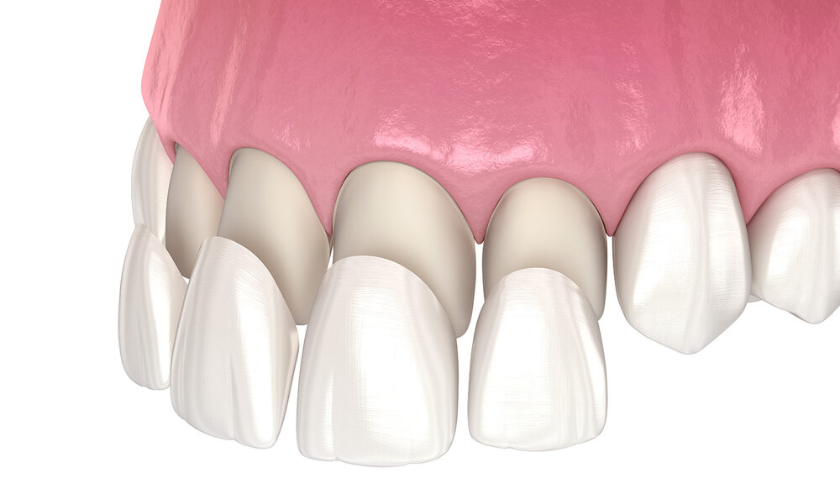
Digital veneers are ultra-thin porcelain shells that are custom-designed using 3D scanning and computer-aided technology. They are bonded to the front surface of teeth to improve shape, alignment, size, and colour. While the purpose is similar to traditional veneers, the process behind digital veneers is significantly more advanced.
Instead of messy physical impressions, dentists use intraoral scanners to capture highly detailed 3D images of the teeth and gums. These digital models serve as the foundation for precise treatment planning. The result is a veneer that fits seamlessly and enhances both function and aesthetics.
The Power of 3D Smile Design
One of the most transformative aspects of digital veneers is smile design software. Using high-resolution scans and facial analysis tools, dentists can digitally craft a patient’s future smile before any permanent changes are made.
This process allows for:
- Accurate evaluation of tooth proportions
- Alignment adjustments for symmetry
- Shade matching based on skin tone and facial features
- Real-time modifications to meet patient preferences
Patients can preview their expected outcome through digital simulations, creating transparency and reducing uncertainty. This collaborative approach ensures the final result aligns with the patient’s vision.
CAD/CAM Technology and Precision Milling
At the core of digital veneers is CAD/CAM (Computer-Aided Design and Computer-Aided Manufacturing) technology. Once the veneer design is finalized digitally, the data is sent to a milling unit that carves the restoration from a high-quality porcelain block.
This automated fabrication process offers several advantages:
- Microscopic accuracy for a perfect fit
- Uniform thickness for improved strength
- Reduced human error
- Faster production times
Because the veneer is fabricated according to exact digital measurements, adjustments are minimized, and bonding is more reliable. This precision contributes to the growing popularity of cosmetic dental innovations featuring porcelain veneers among patients seeking durable and natural-looking smile enhancements.
Minimally Invasive Preparation
Digital planning enables dentists to determine the precise amount of enamel that needs to be removed—often significantly less than with traditional techniques. By visualizing the final outcome beforehand, clinicians can adopt a more conservative approach.
Preserving natural tooth structure is essential for long-term oral health. Reduced enamel removal means:
- Lower risk of sensitivity
- Stronger bonding surfaces
- Improved structural integrity
The ability to measure down to fractions of a millimetre ensures that each veneer fits comfortably without excessive reshaping of the tooth.
Enhanced Comfort and Efficiency
Digital veneers also improve the patient experience. Intraoral scanners eliminate the need for bulky impression trays, which many patients find uncomfortable. The scanning process is quick, clean, and far more convenient.
Efficiency is another key advantage. Digital workflows streamline communication between the dentist and dental laboratory, reducing turnaround time. In some cases, veneers can even be produced within a single visit, depending on complexity and available technology.
Fewer appointments and shorter chair time make digital veneers especially appealing for busy individuals seeking fast yet high-quality cosmetic solutions.
Natural Aesthetics and Material Advancements
Modern porcelain materials used in digital veneers are engineered for both beauty and resilience. Advanced ceramics mimic the translucency and light-reflecting properties of natural enamel, creating a lifelike appearance.
Digital specifications guide technicians in crafting subtle surface textures and shade gradients that prevent the veneers from looking artificial. Each restoration is designed to complement facial structure, lip movement, and gum contour.
Beyond aesthetics, these materials are highly resistant to staining and wear. With proper oral hygiene and regular dental check-ups, digital veneers can maintain their brilliance for many years.
Long-Term Durability and Predictability
Because digital veneers are planned and manufactured with exceptional accuracy, they tend to offer improved longevity. A precise fit reduces stress points and ensures even distribution of biting forces. Strong adhesive protocols, guided by digital preparation data, further enhance durability.
Another benefit is digital record storage. The veneer design files can be saved indefinitely, making future repairs or replacements faster and more accurate if needed.
Predictability is one of the most valued aspects of digital dentistry. By eliminating guesswork, clinicians can deliver consistent results while minimizing complications.
The Future of Digital Smile Transformations
Digital veneer technology continues to evolve alongside broader advancements in dental innovation. Artificial intelligence is increasingly being integrated into smile analysis, offering data-driven recommendations for ideal tooth proportions and symmetry. 3D printing technologies are also expanding possibilities for faster prototyping and customization.
The convergence of imaging systems, advanced ceramics, and automated fabrication tools has elevated cosmetic dentistry to new levels of precision. Modern veneer treatments are no longer solely artistic endeavors—they are scientifically engineered solutions designed for optimal aesthetics and structural performance.
Patients today can achieve refined, confident smiles thanks to technological innovations that prioritize accuracy, comfort, and long-term success. Digital veneers stand at the forefront of this transformation, delivering precision-crafted beauty that reflects the future of cosmetic dentistry.