

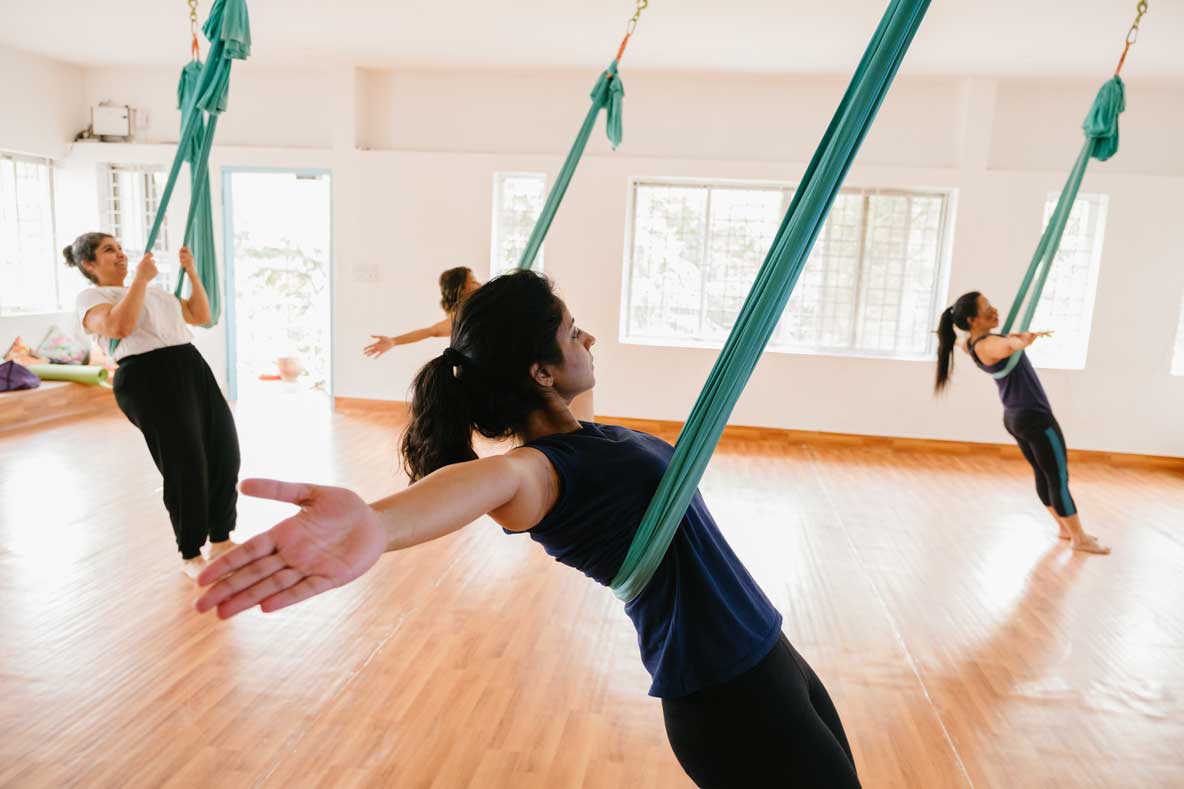
How Specialised Aerial Yoga Classes Help Wellness Studios Build Premium Positioning In a competitive wellness market, offering aerial yoga can help a studio stand out with a more specialised and premium class experience. While traditional yoga remains deeply valuable, aerial classes add a distinctive format that attracts curiosity, supports class variety and gives clients a reason to see the studio as more than a standard fitness venue. Premium positioning is not created by novelty alone. Aerial yoga must be delivered with quality, safety, clear teaching and a strong brand experience. When these elements are aligned, specialised classes can improve differentiation, client engagement and long-term retention.
Why specialised formats matter in wellness branding
Wellness clients today have many choices. They can attend gyms, boutique studios, home workouts, online classes and private sessions. To earn loyalty, a studio needs to offer experiences that feel meaningful and distinct. Specialised formats such as aerial yoga give a studio a clearer identity. They show that the brand is willing to invest in varied practice options and serve clients who want more than a basic class schedule. This can attract people looking for a refined, memorable and guided wellness experience.
The appeal of aerial yoga as a premium experience
Aerial yoga feels premium because it is equipment-based, visually distinctive and requires specific instruction. Students often perceive it as a special class rather than an ordinary drop-in session. That perception can support higher value when the experience is professionally managed. The hammock creates a sense of novelty, but the real premium value comes from how the class is taught. Clients should feel safe, supported and educated. If the session feels careless, the premium effect disappears quickly.
Class variety and client retention
Retention improves when clients have reasons to keep exploring within the same brand. A studio that offers only one style may lose clients when their needs change. Aerial yoga adds variety by offering supported movement, strength, mobility and playful challenge. Clients who are already attending regular classes may try aerial yoga as a fresh experience. New clients may discover the studio because of aerial offerings, then explore other classes. This expands the client journey.
Business benefits of specialised aerial classes
Aerial yoga can help studios by supporting:
- Stronger brand differentiation
- Higher perceived value
- Increased class curiosity
- Better content and visual storytelling
- Expanded package opportunities
- Greater client engagement
- A more varied wellness ecosystem
These benefits depend on safe, consistent delivery.
Safety as part of premium value
Aerial yoga involves equipment and suspension, so safety is central to the business model. Premium clients expect professionalism. They want clean equipment, well-maintained hammocks, clear setup, teacher expertise and careful class management. Studios should treat safety as part of the brand promise. When students trust the space and instruction, they feel more comfortable returning and recommending the class to others.
Teacher training and credibility
A specialised class requires specialised teaching skill. Instructors need to understand equipment use, body positioning, progressions, contraindications and confidence-building. They also need to manage different student comfort levels. Teacher credibility affects retention. A student may try aerial yoga once because it looks interesting, but they will return only if the teacher makes the experience feel safe, purposeful and rewarding.
Visual appeal and responsible marketing
Aerial yoga is naturally visual, which makes it useful for marketing. Photos and videos can capture attention quickly. However, responsible marketing should not focus only on advanced poses or dramatic shapes. This may intimidate potential students or create unrealistic expectations. Marketing should also communicate accessibility, support, mobility, body awareness and teacher guidance. This gives the class more depth and helps attract serious wellness clients, not only people seeking a one-time photo opportunity.
Creating a premium client journey
The premium experience begins before class. Clear booking details, class preparation notes, what-to-wear guidance and safety expectations all matter. Clients should know what to expect, especially if they are new to aerial practice. After class, follow-up recommendations can help them continue. They may be guided towards another aerial session, a mobility class or a foundational yoga class. This turns one experience into an ongoing relationship.
Brand depth beyond novelty
Specialised classes should support the studio’s larger brand identity. If aerial yoga feels disconnected from the rest of the offering, it may seem like a gimmick. If it fits naturally within a broader wellness philosophy, it strengthens the brand. A studio such as Yoga Edition can position aerial yoga as part of a refined, varied and structured practice environment. This helps clients understand that the class is not only unusual, but also purposeful.
Premium positioning through meaningful differentiation
Aerial yoga can help wellness studios build premium positioning when it is treated with seriousness. The equipment, teaching, safety, marketing and client journey must all reflect quality. The goal is not only to attract attention. It is to create an experience that clients want to repeat. In a crowded wellness market, specialised classes give studios a way to stand apart. When delivered well, aerial yoga can become a powerful expression of brand value, client care and thoughtful class variety.