

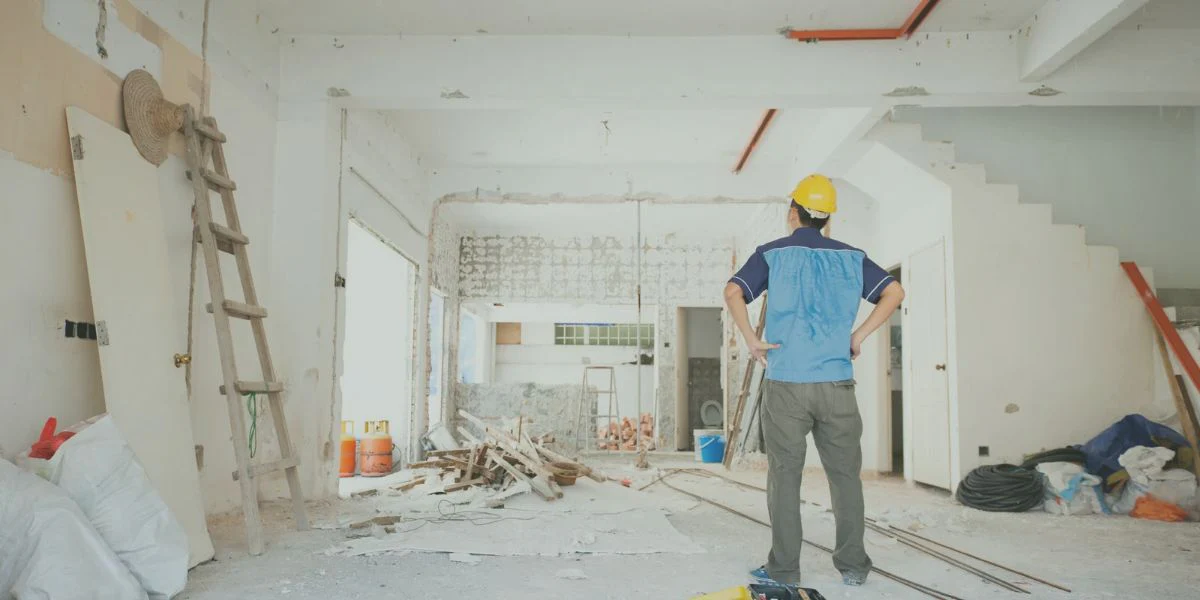
Renovating your home doesn’t always require a large budget or professional contractors. With the right planning and a bit of effort, many improvements can be done yourself. DIY renovation not only saves money but also gives you full control over the outcome.
This guide covers practical tips to help you upgrade your space efficiently and safely.
Plan Before You Start
Jumping into renovation without a plan often leads to mistakes and extra costs.
Start With:
- Clear goals for each space
- A realistic budget
- A timeline for completion
Prioritize:
- Essential repairs first
- Cosmetic upgrades later
Planning helps avoid unnecessary delays and expenses.
Set a Realistic Budget
DIY doesn’t mean free—it just reduces labor costs.
Budgeting Tips:
- List all materials needed
- Add a buffer for unexpected expenses
- Compare prices before buying
Staying within budget ensures your project remains manageable.
Start With Simple Projects
Begin with tasks that require minimal experience.
Beginner-Friendly Ideas:
- Painting walls
- Installing shelves
- Changing cabinet handles
- Updating light fixtures
These small upgrades can make a big visual difference.
Focus on High-Impact Areas
Some areas deliver more noticeable results.
Key Spaces:
- Living room: Fresh paint and lighting
- Kitchen: Cabinet updates and backsplash
- Bathroom: Fixtures and storage improvements
Improving these areas enhances both comfort and value.
Choose the Right Tools
Using proper tools makes work easier and safer.
Basic Tools to Have:
- Hammer
- Screwdriver set
- Measuring tape
- Drill machine
- Paint brushes and rollers
Investing in quality tools saves time and effort.
Improve Lighting
Lighting can transform the look of a room.
Simple Upgrades:
- Replace outdated fixtures
- Add LED lights
- Use warm or cool lighting based on room purpose
Good lighting improves both aesthetics and functionality.
Use Paint Effectively
Paint is one of the most cost-effective renovation methods.
Tips:
- Choose neutral colors for versatility
- Test samples before finalizing
- Use proper primer for better results
A fresh coat of paint can completely change a space.
Maximize Storage Space
Better storage improves organization and usability.
Ideas:
- Install wall shelves
- Use under-bed storage
- Add multi-functional furniture
Efficient storage makes even small spaces feel larger.
Don’t Ignore Safety
DIY projects involve tools and materials that can be risky.
Safety Tips:
- Wear protective gear (gloves, goggles)
- Turn off electricity before electrical work
- Use tools correctly
Safety should always be a priority.
Know When to Call a Professional
Not every task is suitable for DIY.
Avoid DIY For:
- Major electrical work
- Structural changes
- Plumbing issues
Hiring a professional for complex tasks prevents costly mistakes.
Reuse and Repurpose
You don’t always need to buy new items.
Creative Ideas:
- Repaint old furniture
- Repurpose unused items
- Use leftover materials
This approach saves money and reduces waste.
Final Thoughts
DIY home renovation is about smart planning, simple upgrades, and consistent effort. Start small, focus on impactful changes, and gradually improve your space. With patience and the right approach, you can transform your home without overspending.
Frequently Asked Questions (FAQs)
1. Is DIY renovation cheaper than hiring professionals?
Yes, it reduces labor costs, but material expenses still apply.
2. How do I choose which project to start first?
Begin with simple, high-impact areas like painting or lighting.
3. What tools are essential for beginners?
Basic tools like a hammer, drill, screwdriver, and measuring tape are enough to start.
4. How long does a DIY renovation take?
It depends on the project size, but small tasks can be completed within a few days.
5. Can DIY renovation increase home value?
Yes, especially improvements in kitchens, bathrooms, and living areas.
6. How can I avoid common DIY mistakes?
Plan carefully, follow instructions, and avoid taking on complex tasks beyond your skill level.
7. Is it safe to do electrical work myself?
Basic tasks may be manageable, but major electrical work should be handled by professionals.