

Fuel prices don’t stay still, but your car doesn’t need to change for you to spend less at the pump. Small adjustments in driving habits and basic maintenance can noticeably improve mileage. The best part? Most of these changes cost little or nothing to implement.
Why Fuel Efficiency Matters
Improving fuel efficiency isn’t just about saving money. It also reduces engine strain and lowers emissions. A well-maintained, efficiently driven car performs better and lasts longer.
Smart Driving Habits That Save Fuel
Drive Smoothly, Not Aggressively
Sudden acceleration and hard braking burn more fuel than steady driving.
- Accelerate gradually
- Maintain a consistent speed
- Anticipate traffic to avoid frequent braking
Even minor changes in driving style can improve mileage by a noticeable margin.
Maintain Optimal Speed
Driving too fast increases air resistance, which forces the engine to work harder.
- Ideal fuel-efficient range: 50–80 km/h (approx.)
- Use cruise control on highways when possible
Higher speeds may save time, but they cost more fuel.
Avoid Excessive Idling
Letting your car run while stationary wastes fuel unnecessarily.
- Turn off the engine if stopped for more than a minute
- Modern engines don’t need long warm-up times
This habit alone can save a surprising amount of fuel over time.
Keep Your Car Properly Maintained
Check Tire Pressure Regularly
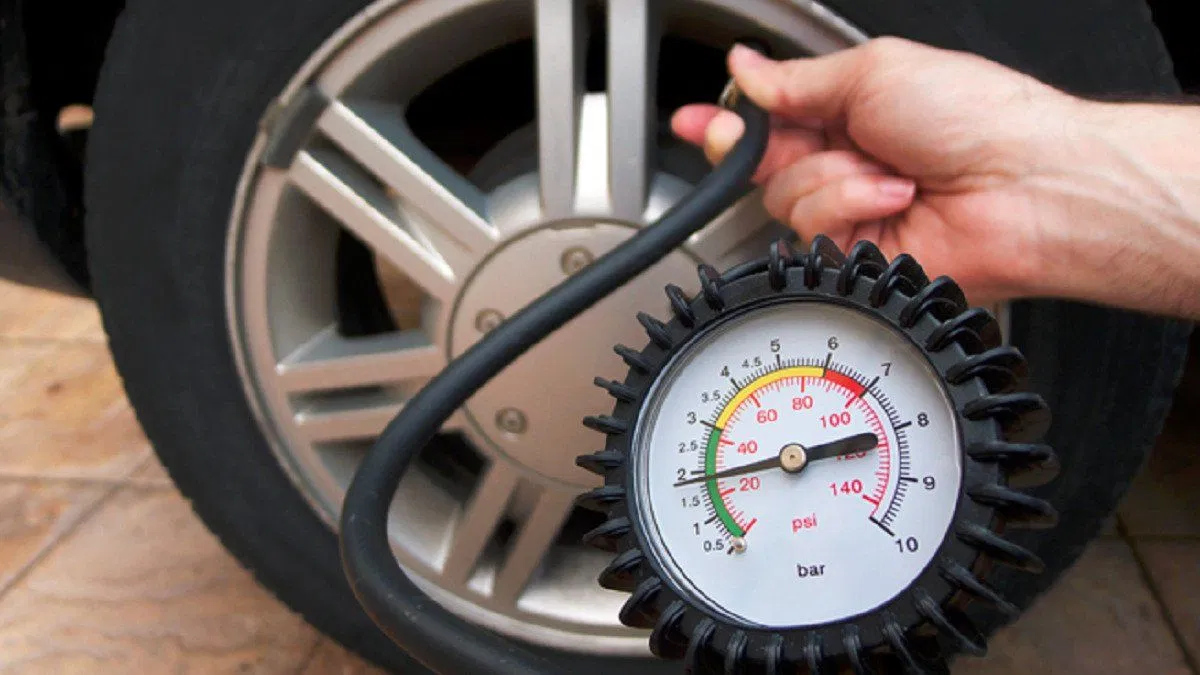
Underinflated tires create more rolling resistance.
- Inspect tire pressure at least once a month
- Follow manufacturer-recommended levels
Properly inflated tires improve both mileage and safety.
Use the Right Engine Oil
Using the correct grade of engine oil reduces friction inside the engine.
- Refer to your car manual for recommended oil type
- Replace oil at regular intervals
Clean oil helps your engine run smoothly and efficiently.
Replace Air Filters
A clogged air filter restricts airflow to the engine.
- Replace when dirty or as recommended
- Improves combustion efficiency
This simple step can improve both performance and fuel economy.
Reduce Unnecessary Weight
Lighten Your Load
Extra weight forces your engine to consume more fuel.
- Remove unused items from the trunk
- Avoid carrying heavy loads unless necessary
Even 20–30 kg of extra weight can affect mileage over time.
Remove Roof Racks When Not in Use
Roof racks increase aerodynamic drag.
- Take them off if not needed
- Especially important for highway driving
Less resistance means less fuel consumption.
Use Air Conditioning Wisely
Air conditioning increases engine load, especially at low speeds.
- Use AC moderately in city traffic
- At higher speeds, AC is more efficient than open windows
Balancing comfort and efficiency is key.
Plan Your Trips Better
Combine Short Trips
Frequent short drives prevent the engine from reaching optimal efficiency.
- Combine errands into one trip
- Reduce cold starts
A warmed-up engine operates more efficiently than a cold one.
Avoid Traffic Congestion
Stop-and-go traffic wastes fuel.
- Use navigation apps to find less congested routes
- Travel during off-peak hours when possible
Less time stuck in traffic equals better fuel economy.
Monitor Your Driving
Keeping an eye on your fuel consumption helps identify inefficiencies.
- Track mileage regularly
- Notice patterns in fuel usage
Awareness often leads to better driving habits.
Final Thoughts
Improving fuel efficiency doesn’t require expensive upgrades or a new car. It’s about consistency—small, smart habits that add up over time. By driving thoughtfully, maintaining your vehicle, and reducing unnecessary load, you can stretch every litre of fuel further.
Frequently Asked Questions (FAQs)
1. How much can fuel efficiency improve with better driving habits?
In many cases, fuel efficiency can improve by 10–20% with consistent, efficient driving.
2. Does using premium fuel improve mileage?
Not necessarily. Use the fuel type recommended by your car manufacturer; higher-grade fuel doesn’t always increase efficiency.
3. Is it better to drive with windows open instead of using AC?
At low speeds, open windows can save fuel. At higher speeds, they increase drag, making AC the better option.
4. How often should I check tire pressure?
At least once a month and before long trips for optimal performance.
5. Can frequent gear shifting affect fuel efficiency?
Yes. Smooth and timely gear shifts (in manual cars) help maintain better fuel economy.
6. Do spark plugs impact fuel efficiency?
Yes, worn-out spark plugs can reduce combustion efficiency and increase fuel consumption.
7. Is short-distance driving less fuel-efficient?
Yes, because the engine doesn’t reach its optimal operating temperature, leading to higher fuel usage.