

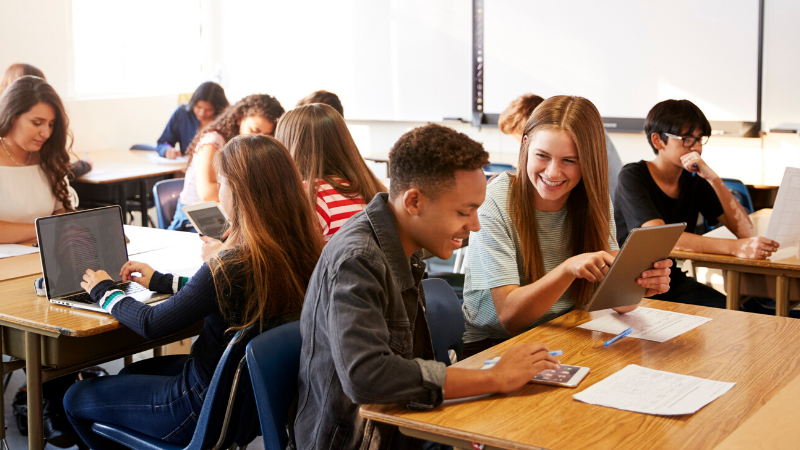
Success in academics and beyond depends on more than just grades. Students who develop the right set of skills are better prepared to handle challenges, adapt to change, and build meaningful careers. These skills are not always taught directly in classrooms, but they play a crucial role in long-term growth.
This guide highlights the essential skills every student should focus on developing.
1. Time Management
Time is one of the most valuable resources for a student.
Why It Matters:
- Helps balance studies, activities, and rest
- Reduces stress and last-minute pressure
- Improves productivity
How to Improve:
- Use a daily or weekly planner
- Break tasks into smaller steps
- Set realistic deadlines
Managing time effectively allows students to stay organized and consistent.
2. Critical Thinking
Critical thinking helps students analyze information rather than just memorize it.
Key Benefits:
- Better decision-making
- Improved problem-solving
- Deeper understanding of subjects
How to Develop:
- Ask “why” and “how” questions
- Evaluate different perspectives
- Practice solving real-world problems
This skill is essential for both academic success and real-life situations.
3. Communication Skills
Being able to express ideas clearly is just as important as understanding them.
Includes:
- Speaking confidently
- Writing clearly
- Listening actively
Tips to Improve:
- Participate in discussions
- Practice public speaking
- Write regularly
Strong communication builds confidence and helps in teamwork and leadership.
4. Problem-Solving Skills
Life constantly presents challenges, and problem-solving helps students handle them effectively.
Why It’s Important:
- Encourages independent thinking
- Builds resilience
- Improves adaptability
How to Strengthen:
- Break problems into smaller parts
- Explore multiple solutions
- Learn from mistakes
Students who can solve problems are better equipped for future responsibilities.
5. Digital Literacy
In today’s world, understanding technology is essential.
Key Areas:
- Using basic software tools
- Searching information effectively
- Understanding online safety
Benefits:
- Improves research skills
- Enhances learning efficiency
- Prepares for modern careers
Digital skills are no longer optional—they are necessary.
6. Self-Discipline
Self-discipline is the ability to stay focused and committed without external pressure.
Why It Matters:
- Helps maintain consistency
- Reduces procrastination
- Builds strong habits
How to Build:
- Set clear goals
- Avoid distractions
- Stick to routines
Discipline often determines whether students achieve their goals.
7. Adaptability
The ability to adjust to new situations is a key life skill.
Importance:
- Helps manage change
- Encourages learning new skills
- Builds confidence in uncertain situations
How to Improve:
- Stay open to new ideas
- Learn from different experiences
- Embrace challenges instead of avoiding them
Adaptable students handle change more effectively.
8. Teamwork and Collaboration
Working with others is a common part of both education and careers.
Benefits:
- Improves communication
- Encourages sharing of ideas
- Builds interpersonal skills
Tips:
- Respect different opinions
- Contribute actively
- Support team members
Collaboration leads to better outcomes and stronger relationships.
9. Emotional Intelligence
Understanding emotions—both your own and others’—is a powerful skill.
Includes:
- Self-awareness
- Empathy
- Emotional control
Why It’s Important:
- Improves relationships
- Helps manage stress
- Enhances decision-making
Students with emotional intelligence are better at handling social and personal challenges.
Final Thoughts
Academic knowledge is important, but it’s these core skills that shape a student’s future. Developing them early creates a strong foundation for both personal and professional success. The key is to practice consistently and apply these skills in everyday life.
Frequently Asked Questions (FAQs)
1. Which skill is the most important for students?
There is no single most important skill, but time management and self-discipline are foundational for developing other skills.
2. Can these skills be learned outside school?
Yes, many of these skills are developed through daily experiences, activities, and self-learning.
3. How long does it take to develop these skills?
It varies, but consistent practice over time leads to noticeable improvement.
4. Are soft skills more important than academic knowledge?
Both are important. Soft skills complement academic knowledge and make it more practical.
5. How can students practice communication skills daily?
By engaging in conversations, participating in discussions, and practicing writing regularly.
6. Why is digital literacy important for students?
It helps students access information, learn efficiently, and prepare for modern careers.
7. Can students improve multiple skills at the same time?
Yes, many skills overlap and can be developed together through activities like group projects and problem-solving tasks.